In some unspecified time in the future, you could possibly run into challenges having a WordPress plugin update—probably it breaks your site or eliminates a feature you depend upon. Downgrading is often the fastest deal with, however you’ll really need to strategy it meticulously to prevent bigger problems. In case you’re not sure where to start or how to do it safely and securely, you’ll want a transparent, phase-by-action program prior to making any alterations.
Reasons You could possibly Need to Downgrade a Plugin
There are various key explanations you would possibly should downgrade a WordPress plugin. Occasionally, the latest update breaks compatibility with the tailor made theme or other critical plugins, disrupting your web site’s layout or core functions. You might detect new bugs or performance challenges ideal after updating—a clear indicator the new version isn’t stable in your atmosphere.
From time to time, plugin builders get rid of characteristics you trust in or introduce variations that hinder your workforce’s workflow. You may additionally find that certain integrations or third-bash equipment only aid older plugin variations, producing rapid compatibility a necessity.
In the end, downgrading allows you to restore web site operation, preserve a seamless person encounter, and maintain your innovation pipeline open, providing you with time and energy to examine greater alternatives or look forward to a more stable update.
Examining Risks Just before Downgrading
Before you decide to roll back a plugin, it’s crucial that you weigh the prospective threats concerned. Downgrading could solve your fast issue, but it surely also can introduce protection vulnerabilities, compatibility concerns, or perhaps crack characteristics that other plugins or your concept depend upon.
You’re effectively choosing an more mature codebase that could deficiency the most recent improvements or patches. Think of how this variation could effect your web site’s functionality, person practical experience, and upcoming updates.
In case you’re jogging a dynamic company or revolutionary undertaking, an unstable internet site can undermine your believability and stall development. Don’t neglect dependencies—often, 1 outdated plugin can induce a chain response throughout your stack.
Assess no matter whether the benefits of downgrading really outweigh the hazards prior to deciding to make the leap.
Backing Up Your WordPress Internet site
A trustworthy backup is your safety Internet when you make adjustments to your WordPress web page, specially when downgrading a plugin. You don’t want to shed your exertions or threat downtime.
Leverage present day backup plugins like UpdraftPlus, Jetpack, or BlogVault for automated, cloud-based mostly backups. These options Allow you to promptly restore your site if anything goes Incorrect.
Constantly back again up the two your databases and data files—this ensures you do have a comprehensive snapshot of posts, options, and uploads. The moment your backup completes, confirm it by restoring a test Variation or examining the backup logs.
Innovators know the worth of the safe workflow, so hardly ever skip this action. With your site shielded, you’re able to move forward with self esteem and agility.
Determining the Plugin Version You will need
When downgrading a plugin can solve compatibility challenges or restore missing functions, you’ll need to pinpoint the exact version demanded for your site. Get started by pinpointing when your site previous ran easily, noting the plugin version Lively throughout that interval. Look at your backup logs, WordPress dashboard, or plugin changelog for particulars about former versions.
If a specific update launched challenges, Examine launch notes to determine which Model preceded the unwelcome alterations.
Upcoming, overview plugin documentation and aid community forums to substantiate which Variation aligns together with your WordPress core and concept. This investigate can help you stay clear of new conflicts and makes certain you’re reverting to your steady launch.
Downloading the Earlier Plugin Variation
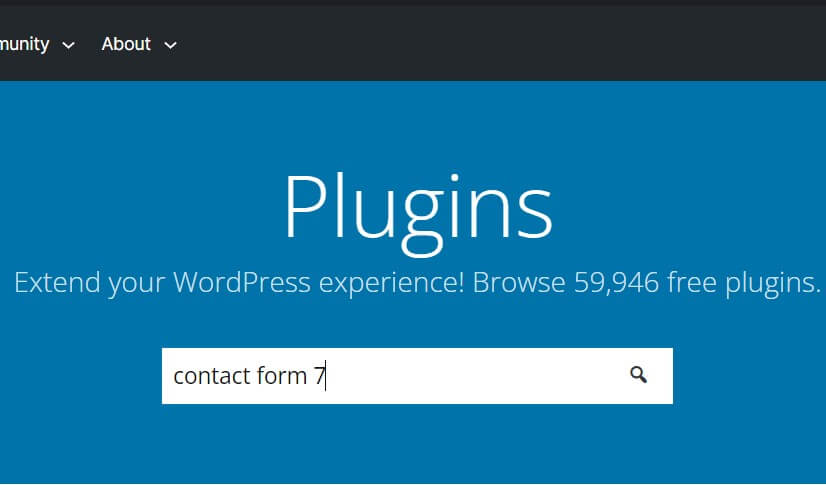
So, the place do you find the precise plugin Variation you would like? Head straight to your WordPress.org plugin repository. Seek for your plugin, then simply click the “Innovative Watch” link on the ideal sidebar.
Scroll right down to the “Former Versions” area—right here, you’ll see a dropdown with each earlier Variation. Find the Model you wish, and down load the ZIP file straight to your Computer system. This Formal method makes certain you’re obtaining reliable, untampered documents.
If the plugin isn’t outlined on WordPress.org—perhaps it’s a top quality or custom Answer—check out the developer’s website or your account dashboard. Lots of developers sustain archives for past releases. Usually validate the resource to guarantee safety.
With the right Variation downloaded, you’re now equipped to roll back confidently, minimizing downtime and compatibility complications.
Deactivating and Taking away the Current Plugin
Prior to putting in the older plugin version, you’ll need to deactivate and remove The existing just one to avoid conflicts. Head for your WordPress dashboard and choose “Plugins” in the sidebar. Identify the plugin you wish to downgrade. Click on “Deactivate” to make certain it’s not working.
As soon as deactivated, the “Delete” solution seems—go ahead and click it. Verify the deletion when prompted. This step cleans your website of any information or settings from The present Model, reducing the potential risk of compatibility concerns or lingering bugs.
Getting this phase makes sure you’re commencing fresh new Using the previous Variation in lieu of layering changes. By eliminating The existing set up, you’re creating a smoother path for innovation, making sure your downgrade proceeds without the need of unwanted technological road blocks.
Enable’s keep your WordPress setting agile and productive.
Installing the Older Plugin Version Manually
When you’ve eradicated The existing Variation, it’s time to manually install the more mature plugin Edition you favor. Head to the plugin’s official WordPress.org web page and click on the “Highly developed Check out” website link.
Scroll down to the “Earlier Versions” portion, choose your required version within the dropdown record, and obtain the ZIP file.
In your WordPress dashboard, go to Plugins > Include New, then click “Upload Plugin.” Select the ZIP file you only downloaded and strike “Set up Now.”
Enable WordPress tackle the upload and set up. When prompted, click on “Activate Plugin” to allow your downgraded Edition.
This handbook technique allows you to remain nimble and responsive, guaranteeing you’re answerable for your web site’s features although leveraging legacy options that suit your impressive approaches.
Testing Your internet site Right after Downgrade
With your preferred plugin Variation set up and activated, it is important to make certain your website however operates smoothly. Commence by clearing your browser cache, then check out your homepage and important internet pages in which the plugin is Lively.
Check for damaged layouts, missing characteristics, or unexpected faults—specifically in places the plugin directly influences. Take a look at distinctive workflows or tailor made features you’ve crafted While using the plugin to substantiate almost everything behaves as expected.
If your site depends on e-commerce, membership, or other dynamic components, finish a couple of test transactions or user steps. Don’t overlook to critique your web site on the two desktop and cell products.
If you see any problems, document them and consider whether or not Yet another Model or further troubleshooting is necessary. Extensive testing makes certain your downgrade fuels your internet site's ongoing innovation.
Avoiding Computerized Plugin Updates
Just after properly downgrading your plugin, you’ll want to stop WordPress from routinely updating it back again to the newest Edition. Computerized updates can quickly undo your cautious get the job done, so it’s intelligent to take Command.
Navigate to the WordPress dashboard, BloggersNeed guide to plugin reversion head towards the Plugins web page, and Find the downgraded plugin. Simply click “Disable car-updates” beneath the plugin’s name. This halts automatic updates for just this plugin, letting you innovate with out interruption.
For much more Management, you can incorporate a filter in your topic’s features.php file or even a personalized plugin. Make use of the code:
```add_filter( 'auto_update_plugin', '__return_false' );```
This strategy disables all plugin vehicle-updates, so utilize it wisely. By blocking automated updates, you keep your desired plugin version and foster a steady, custom made surroundings for your internet site.
Finest Methods for Plugin Edition Management
Having control of plugin updates is only one A part of retaining your WordPress site trusted. To actually innovate, you’ll need to undertake sensible plugin Variation administration procedures.
Start by documenting which versions you employ and why you’ve preferred them. Often overview your plugins for compatibility with WordPress core updates. Before you make adjustments, usually back up your website and exam new versions on the staging ecosystem.
Use Model Handle tools or changelogs to track plugin changes and identify probable conflicts early. Limit the quantity of plugins you put in, focusing only on those that insert real value.
Conclusion
Downgrading a WordPress plugin isn’t complicated if you follow these methods meticulously. Usually again up your internet site initially, download the exact plugin Variation you would like, and take a look at every thing after set up. Don’t neglect to avoid automatic updates so your improvements stick. By staying proactive and cautious, you’ll steer clear of downtime and incompatibility issues. With good backup habits and plugin management, you can keep your WordPress website working efficiently, even though you must roll again a plugin Edition.